
Is Your Low Back Trying to Tell You Something in 2026?

A new year often brings fresh motivation. New routines. New goals. A promise to feel better than last year. But for many people, low back pain quietly tags along into January, February, and beyond.
If your lower back feels stiff, achy, or unpredictable, it may not be random or “just part of getting older.” Your body is incredibly good at sending signals. The challenge is learning how to listen before those signals turn into bigger problems.
As we move into 2026, this is a great time to check in with your low back and make small changes that support long-term comfort, mobility, and resilience.
Why Low Back Pain is So Common at the Start of the Year
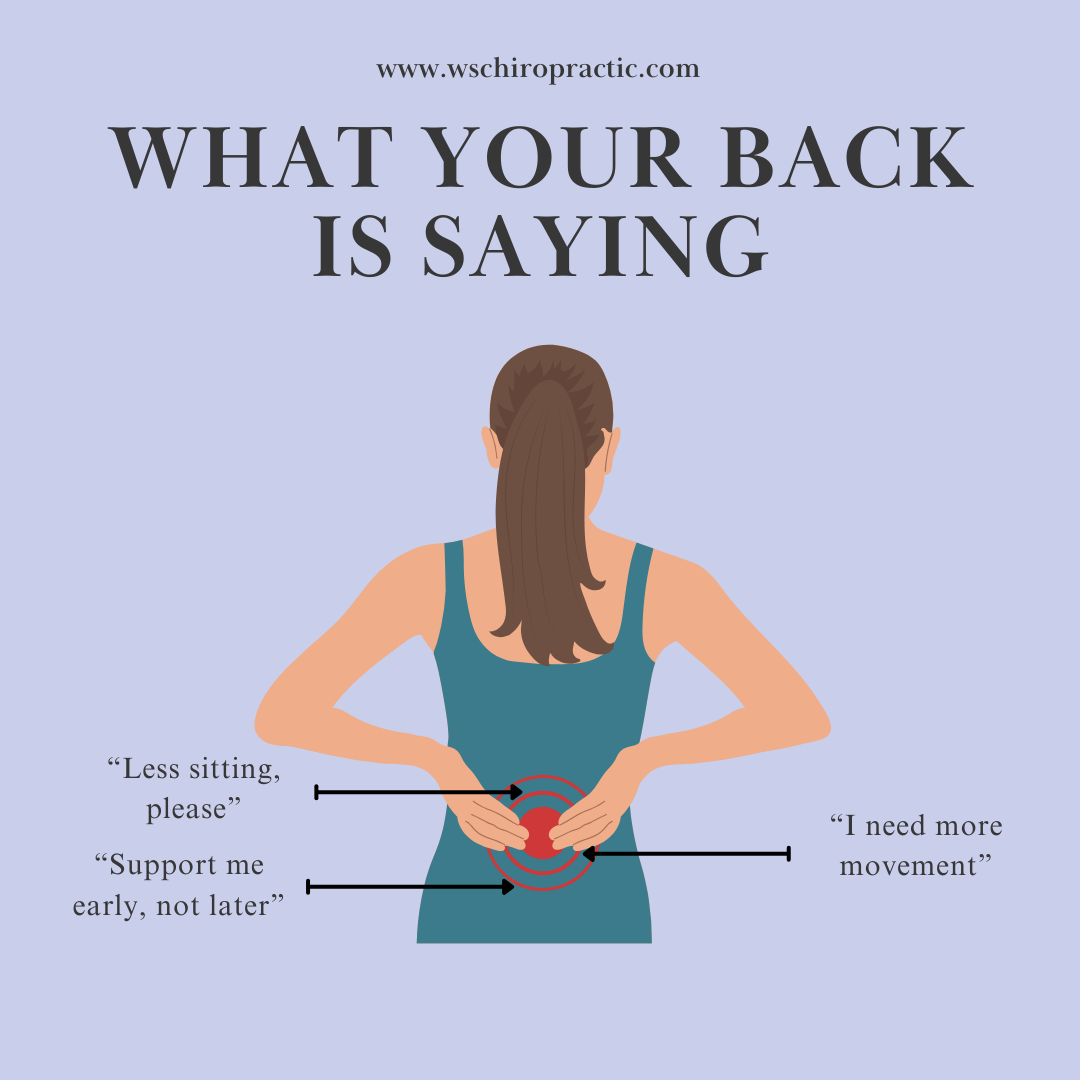
The low back does a lot of heavy lifting, literally and figuratively. It connects your upper and lower body, supports posture, absorbs impact, and allows you to move freely.
During the winter months and holiday season, certain patterns tend to show up:
Less movement and more sitting
Long hours driving or traveling
Lifting and carrying without thinking about form
Cold temperatures making muscles tighter
Higher stress levels that increase muscle tension
By January, many people notice that their low back feels different. Stiffer in the morning. More sensitive after activity. Slower to recover.
These are not signs to ignore.
Common Signals Your Low Back May Be Asking for Attention
Low back discomfort doesn’t always arrive as sharp or severe pain. Often, it starts subtly.
Some signs to watch for include:
Morning stiffness that takes longer to ease
Tightness after sitting, driving, or working at a desk
A dull ache that shows up after walking or standing
Feeling “locked up” when bending or twisting
Pain that improves with movement but returns quickly
Needing frequent stretching just to feel normal
These signs suggest that your muscles, joints, and nervous system may not be working together as efficiently as they should.
Habits to Include Early in the Year to Support Your Low Back
The good news is that small, consistent habits can make a meaningful difference. You don’t need extreme workouts or complicated routines. What your back responds best to is steady, supportive care.
1. Move Often, Not Perfectly
Movement keeps joints lubricated and muscles responsive. Even light movement helps.
Take short walking breaks throughout the day
Stand up every 30 to 60 minutes
Gently change positions instead of staying still too long
Consistency matters more than intensity.
2. Warm Up Before Physical Tasks
Cold muscles are more likely to strain. Before shoveling, exercising, or lifting.
Do a few minutes of light walking
Gently rotate your hips and spine
Focus on controlled movements rather than rushing
This simple habit can significantly reduce injury risk.
3. Strengthen the Core, Not Just the Abs
Your core includes deep muscles that support the spine, not just the visible “six-pack” muscles.
Focus on exercises that build stability and control
Prioritize proper form over heavy resistance
Include breathing and posture awareness
A stable core reduces strain on the low back during daily activities.
4. Pay Attention to How You Sit and Stand
Posture is not about being rigid or perfect. It’s about balance.
Keep your feet flat and supported when sitting
Avoid slouching or leaning to one side
Adjust your workspace so your body feels neutral, not strained
Your low back often compensates when posture habits are off.
5. Manage Stress Intentionally
Stress doesn’t stay in the mind. It shows up physically.
Tension often settles in the low back and hips
Elevated stress increases muscle guarding and fatigue
Sleep quality can decline, slowing recovery
Simple stress-management practices support physical healing just as much as exercise.
6. Stay Consistent With Care, Not Reactive
Many people wait until pain becomes severe before seeking help. A proactive approach can prevent setbacks.
Address small issues before they become bigger
Focus on maintaining mobility and alignment
Support your body regularly, not only during flare-ups
How Chiropractic Care Supports Low Back Health
Chiropractic care focuses on how the spine, joints, muscles, and nervous system work together. When movement patterns are restricted or imbalanced, the low back often absorbs the extra stress.
Through assessment and gentle adjustments, chiropractic care can:
Improve joint mobility
Reduce tension in surrounding muscles
Support better posture and movement
Help the nervous system function more efficiently
Encourage faster recovery from daily strain
For many patients, chiropractic care becomes part of a long-term strategy to stay active and comfortable, not just a solution when pain appears.
Listening to Your Body in 2026
Low back discomfort is not something you need to push through or accept as normal. It’s information. Your body is communicating that it needs support, attention, or a change in habits.
Starting the year by listening to those signals allow you to:
Prevent chronic patterns from forming
Move more confidently and comfortable
Stay active without fear of flare-ups
Build a healthier foundation for the months ahead
A Supportive Start to the New Year
Your low back plays a role in nearly everything you do, from getting out of bed to staying active with family, work, and hobbies. Taking care of it early in the year can shape how you feel for the rest of 2026.

If you’ve noticed stiffness, recurring discomfort, or movement limitations, a professional assessment can help identify what your body needs and guides you toward a plan that supports long-term health.
A new year is not just about goals. It’s about creating habits that help your body feel strong, supported, and capable every day.