
Motor Vehicle Accidents in Alberta: Why Even Minor Collisions Shouldn't Be Ignored
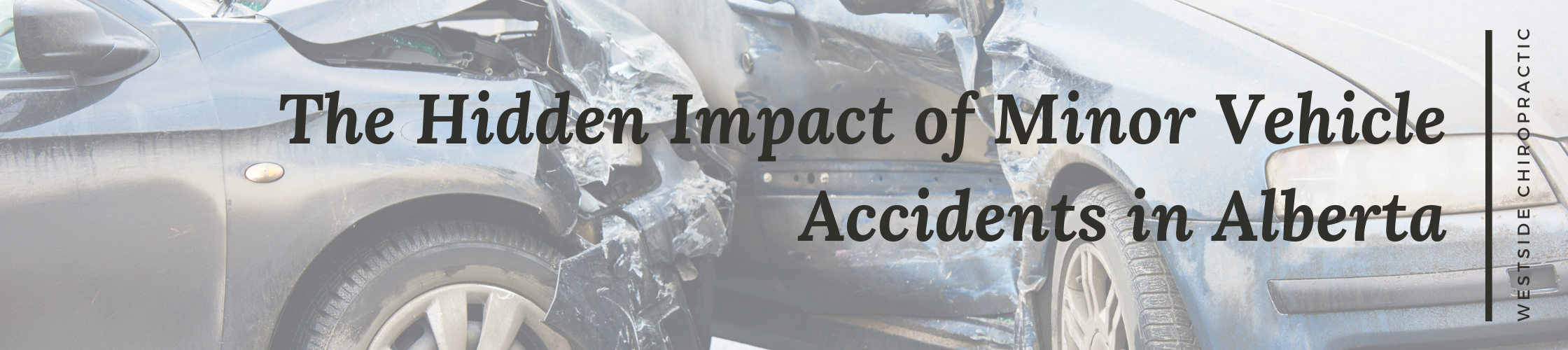
Car accidents are more common in Alberta than many people realize. With fluctuating road conditions, heavy commuter traffic, sudden stops, and distracted driving, even a low-speed collision can place significant stress on the body. While some accidents appear minor from the outside, the physical impact on muscles, joints, and the nervous system can be far more serious than it first seems.
One of the biggest mistakes people make after a minor collision is assuming that no immediate pain means no injury.
In reality, symptoms often appear hours or even days later.
Why Minor Collisions Still Matter
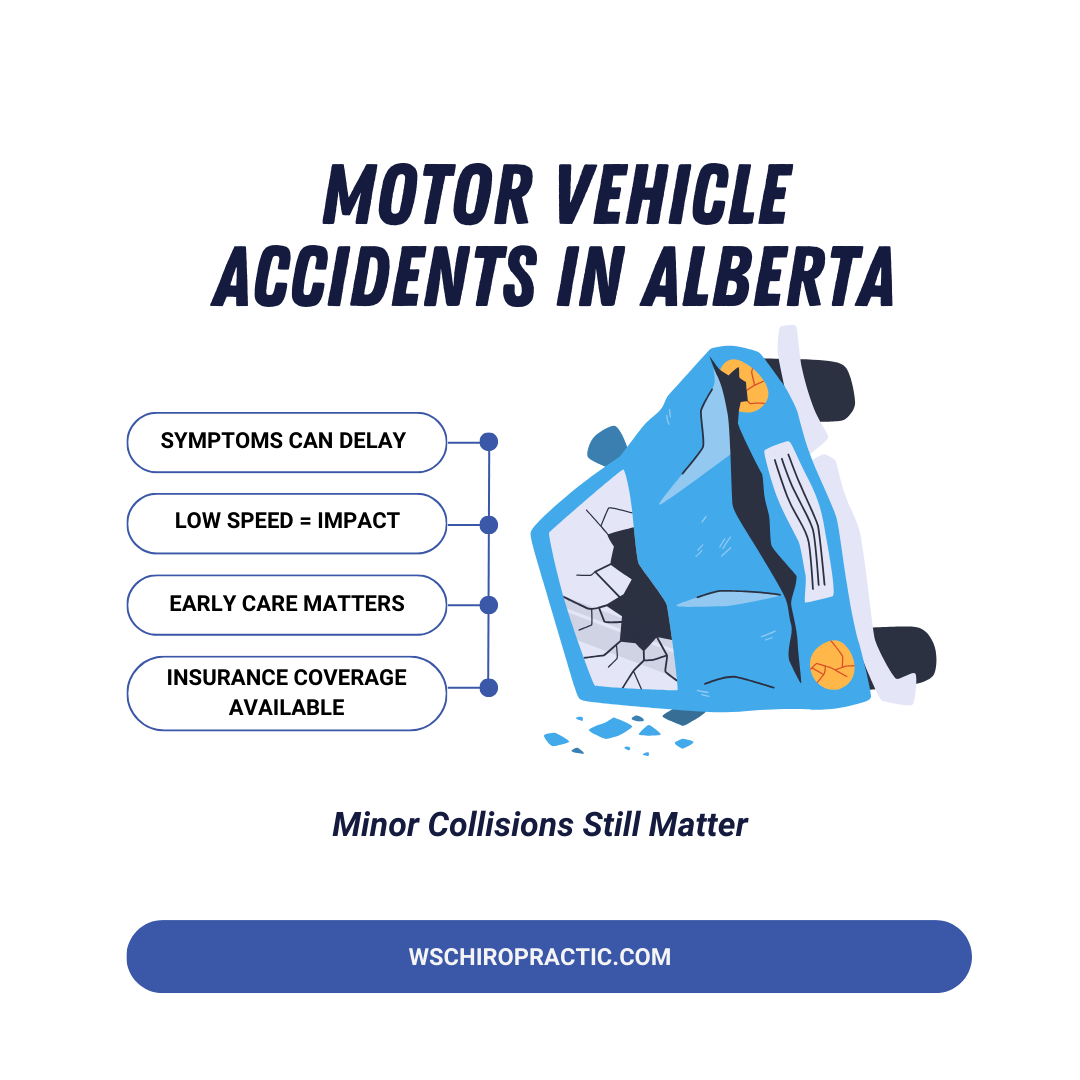
During a motor vehicle accident, the body is exposed to rapid acceleration and deceleration forces. Even at low speeds, these forces can strain soft tissues, disrupt joint alignment, and irritate nerves.
Unlike broken bones, soft tissue injuries are not always visible. Damage to muscles, tendons, and ligaments may not show swelling right away. Adrenaline can also temporarily mask pain, making it easy to underestimate the severity of the injury.
Common delayed symptoms include:
Neck stiffness or soreness
Headaches
Reduced range of motion
Shoulder or upper back tension
Low back discomfort
Tingling or numbness
Fatigue or difficulty concentrating
Whiplash is one of the most frequently reported injuries after read-end collisions, but injuries are not limited to the neck. Shoulders, mid-back, lower back, hips, and even knees and ankles can be affected.
Early assessment is critical to prevent these injuries from becoming chronic problems.
The Importance of Early Assessment
Research and clinical experience consistently show that early intervention after a motor vehicle accident improves recovery outcomes. When joint restrictions, muscle guarding, or inflammation are addressed quickly, the body can heal more efficiently.
If left untreated, however, small dysfunctions can lead to long-term pain patterns, altered movement mechanics, and ongoing tension. Over time, this may increase the risk of degenerative changes or persistent discomfort.
An accurate diagnosis is the foundation of effective recovery. A thorough assessment evaluates:
Joint mobility
Muscle tension and imbalance
Neurological function
Inflammation patterns
Postural changes following trauma
This process helps identify injuries that may not feel severe but still require care.
How Chiropractic Care Supports MVA Recovery
Chiropractic care focuses on restoring proper motion and reducing stress on the nervous system after trauma. Following an accident, inflammation and muscle guarding can restrict movement and create compensatory patterns throughout the body.
A comprehensive treatment approach may include:
Gentle chiropractic adjustments to restore joint mobility
Targeted soft tissue therapies to address muscle strain
Rehabilitation exercises to rebuild strength and stability
Progressive care plans designed for both short- and long-term recovery
The goal is not only to reduce pain but also to support tissue healing, improve function, and prevent future complications.
Every accident is different. The severity of the collision does not always correlate with the severity of injury. Personalized care plans are essential for optimal recovery.
Understanding Insurance Coverage in Alberta
Many Albertans are unaware that they are automatically entitled to treatment following a motor vehicle accident under Alberta’s diagnostics and treatment protocols.
Key facts to know:
You do not need a referral to see a chiropractor after an accident
Treatment coverage applies whether you were at fault or not
An initial assessment must occur within 20 business days of submitting your claim
Depending on severity of injury, coverage typically includes up to 7 or 21 treatment sessions within 90 days
If injuries are more complex or recovery requires additional care, further coverage options may be available through your insurance provider.
Navigating insurance paperwork can feel overwhelming after an accident. Working with a clinic experienced in MVA cases ensures communication with your insurer is handled efficiently, allowing you to focus on healing.
Why Symptoms Should Never Be Ignored
It is common for people to delay care after a minor accident, especially if the vehicle damage appears minimal. Unfortunately, this delay can allow inflammation and restricted movement to become entrenched.
Warning signs that should not be dismissed include:
Pain that worsens over several days
Persistent stiffness
Headaches following impact
Difficulty sleeping after the accident
Reduced mobility compared to normal
Even subtle symptoms indicate that the body experienced trauma.
Early, proactive care is not about overreacting. It is about protecting long-term function and preventing small injuries from evolving into chronic conditions.
A Proactive Approach to Recovery
Motor vehicle accidents are stressful and disruptive. Having a healthcare provider who listens carefully, performs a thorough examination, and creates a structured recovery plan can make a significant difference in outcomes.
For over two decades, our clinic has supported patients recovering from traumatic injuries related to motor vehicle accidents. From initial diagnosis to rebuilding strength and function, care is tailored to each individual’s specific injuries and goals.
Recovery is not just feeling better today. It is about restoring stability, protecting mobility, and supporting your overall health for the future.
Take the Next Step After an Accident
If you have recently been involved in a motor vehicle accident in Alberta, even a minor one, do not wait for symptoms to worsen before seeking assessment.
A professional evaluation provides clarity, peace of mind, and a clear plan for recovery.
Early care can help you heal more efficiently, prevent chronic pain patterns, and return to your normal activities with confidence.
If you have questions about post-accident treatment or insurance coverage, contact our clinic to schedule an assessment and learn how we can support your recovery.